
Breast Reduction Surgery in Northwest Arkansas
Lighter, more proportionate breasts

What is a breast reduction?
A breast reduction (reduction mammaplasty) removes excess breast tissue, fat, and skin to create smaller, lighter breasts that are in better proportion to your body. During surgery, your breasts are also reshaped and lifted, and the nipple and areola are moved to a higher, more natural position. Oversized areolas can be reduced at the same time.
Many women choose breast reduction surgery to relieve the neck, back, and shoulder pain that can come with large, heavy breasts. Others want clothes to fit better, or simply want to feel more comfortable moving through their day.
At Northwest Arkansas Center for Plastic Surgery, breast reductions are performed by Dr. Heath Stacey, a board-certified plastic surgeon with more than 15 years of experience in Northwest Arkansas, and Dr. Wilson Huett, a plastic surgeon trained at the University of Louisville.
Procedure Time
Anesthesia
Back to desk work
About 1–2 weeks
Full exercise
Final results
3–6 months
Payment options

Why patients consider a breast reduction
Large breasts can affect far more than appearance. Many women live for years with aching shoulders, bra straps that leave grooves, and rashes beneath the breasts that never quite clear. Exercise can be uncomfortable, and finding clothes that fit both your bust and your frame can be frustrating.
Many patients tell us they wish they had come in sooner. These concerns are real, and they deserve to be taken seriously.
A breast reduction can ease that daily strain, so you feel lighter, move more freely, and feel at home in your body.
Benefits of a Breast Reduction
For many women, a breast reduction is as much about comfort as appearance. It can change how you feel when you get dressed, exercise, and go about your day.
This procedure can give you:
Relief from aches and strain
Freedom to stay active
Healthier, calmer skin
Clothes that fit beautifully
A balanced, lifted shape
Renewed confidence
Is a breast reduction right for me?
- You have ongoing neck, back, or shoulder pain related to your breast size
- Your bra straps leave deep grooves in your shoulders
- You get rashes or irritation beneath your breasts
- Your breast size makes exercise or physical activity uncomfortable
- Your breasts feel out of proportion with the rest of your body
- Clothes that fit your bust don’t fit the rest of your frame
- Your weight is stable and close to your goal
- Your breasts are fully developed
- You’ve finished breastfeeding and given your body several months to settle
- You don’t use nicotine, or are willing to stop before and after surgery
- You’re in good overall health
Your Breast Reduction Options
Your surgeon chooses the technique based on how much tissue needs to be removed and how much lift your breasts need. A smaller reduction usually means a shorter incision.
Technique | Best for | Incision |
|---|---|---|
Vertical (“lollipop”) reduction | Around the areola and straight down to the breast fold
| A small curve along the top of the areola
|
Anchor (inverted-T) reduction
| Larger reductions or more significant sagging
| Around the areola, down to the fold, and along the fold
|
Liposuction-only reduction
| Modest reductions in breasts made up mostly of fat, with good skin tone
| A few tiny incisions
|
Breast reduction with lift
| Breasts that need both a smaller size and a higher position
| Follows your reduction pattern; lift is part of the procedure
|
Breast Reduction and Insurance
What plans often look for
Records that may help
How we can help
Your experience at NWACPS
We understand that talking about your breasts is personal. Our team keeps every conversation private, respectful, and comfortable, from your first visit through your final follow-up.
- An unhurried consultation. Your surgeon examines you, listens to your concerns, and explains which technique and size fit your body and goals.
- Clear preparation. You’ll receive written instructions covering what to expect before, during, and after surgery.
- An attentive team. Our nurses stay in close contact through your recovery and answer questions as they come up.
- Follow-up visits. Your surgeon checks your healing in person until you’re fully recovered.
Breast Reduction Recovery
The first few days
The first week
The weeks that follow
Many patients feel ready to return to desk work and light routines. Continue wearing a supportive bra, and wait to lift or raise your arms overhead until your surgeon clears you.
As you gain strength
The months ahead

Your Results
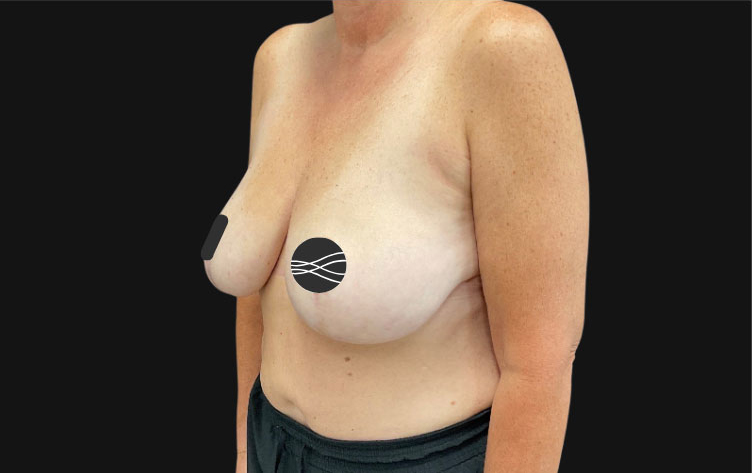
You’ll see a smaller, lifted shape right away, and many patients feel physical relief within the first few weeks. Over 3–6 months, swelling settles and your breasts soften into a natural, proportionate shape.
Breast reduction scars depend on your technique and are placed within the natural contours of the breast and areola. Most are hidden by a bra or swimsuit and fade gradually over 12–18 months.
Planning for your Breast Reduction ● Planning for your Breast Reduction ● Planning for your Breast Reduction
Planning for your breast reduction
Because every breast reduction is tailored to the patient, you’ll receive a personalized quote at your complimentary consultation. Your plan depends on:
- The reduction technique you need
- Whether liposuction or other procedures are combined
- Anesthesia and surgical facility fees
- Post-op bras and supplies
- Whether your insurance plan provides coverage
Payment Options
Flexible ways to plan your procedure
We offer monthly payment plans through CareCredit, Prosper, and Cherry. You can apply before your consultation so you know your options going in.
Breast Reduction Results from Our Patients
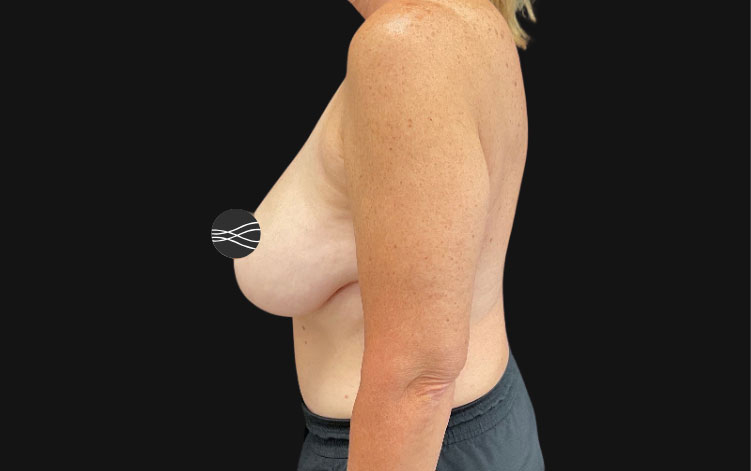
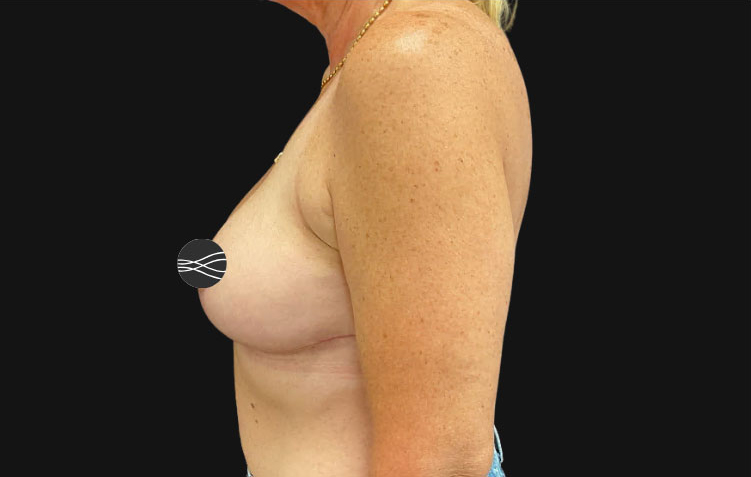
Breast reduction · Age [XX] · [X] months post-op
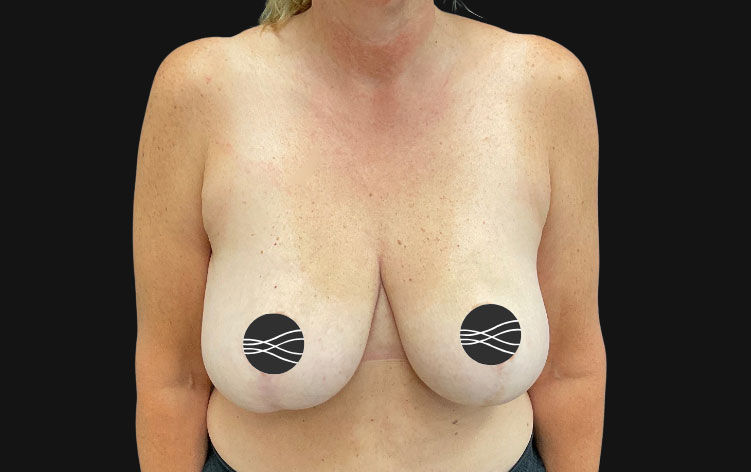
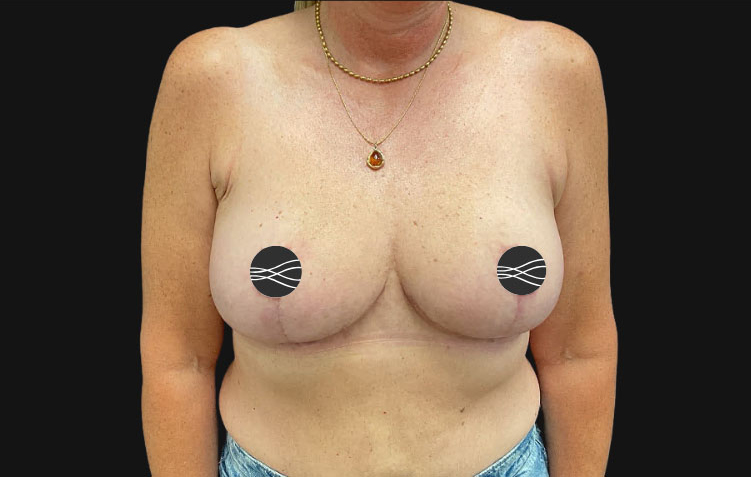
Breast reduction · Age [XX] · [X] months post-op
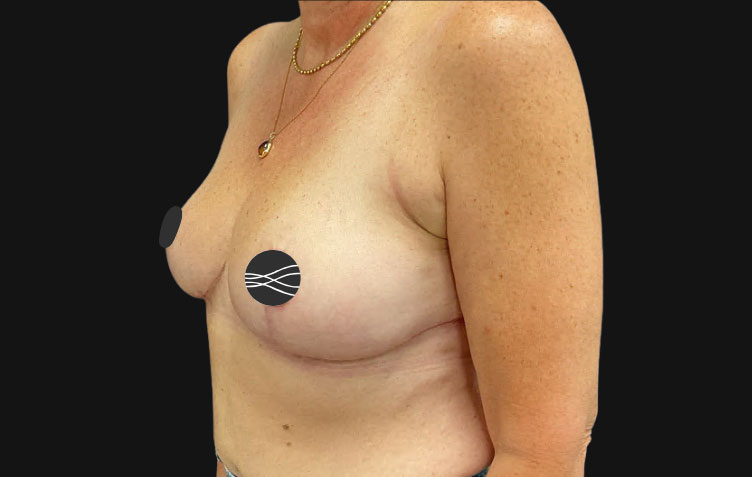
Breast reduction · Age [XX] · [X] months post-op
Related procedures ● Related procedures ● Related procedures ● Related procedures ● Related procedures
Frequently Asked Questions
Sometimes. Many plans cover a breast reduction when it’s medically necessary, and each plan has its own requirements, such as documented symptoms and prior treatment. Our team can talk you through what your plan may require.
Most patients return to desk work in about 1–2 weeks and are cleared for exercise in about six weeks. Your surgeon will guide your timeline.
You and your surgeon decide together. Your new size is planned around your goals, your frame, and what will look balanced and natural on your body.
Yes. A breast reduction reshapes the breasts and raises the nipple and areola, so most patients also see a lifted, more youthful position.
A breast lift raises and reshapes the breasts without significantly changing their size. A breast reduction removes tissue to make the breasts smaller and lifts them at the same time.
Yes, though they’re placed to be as discreet as possible, usually around the areola and down to or along the breast fold. Most are hidden by a bra or swimsuit and fade over 12–18 months.
Many women can, but breastfeeding can’t be guaranteed after any breast surgery. If you plan to breastfeed in the future, share that with your surgeon so it can be part of your plan.
It’s often best to wait, since pregnancy and nursing can change your breasts again. If your symptoms are significant now, your surgeon can help you weigh the timing.
Your breasts should be fully developed before surgery. Your surgeon will discuss timing with you at your consultation.
Results are long-lasting. Removed tissue doesn’t grow back, though weight changes, pregnancy, and natural aging can affect breast size and shape over time.
Yes. Continue routine screening and let your imaging center know you’ve had breast surgery.
Yes. Male breast reduction (gynecomastia surgery) removes excess breast tissue to create a flatter, more contoured chest. Learn more on our [Male Breast Reduction] page.
No. Consultations are complimentary. You’ll meet privately with one of our plastic surgeons, ask every question you have, and leave with a personalized plan and quote.
Ready to talk about your breast reduction?
Meet privately with one of our plastic surgeons at our Rogers office. We’ll listen, answer every question, and help you decide what’s right for you. Your consultation is complimentary.
Prefer to call? (479) 571-3100
